

By Dr. Bonita Berryman Gilliam | Op-ed for West Suburban Journal
Juneteenth is often understood as a single moment in American history—June 19, 1865—when Union troops arrived in Texas and announced that enslaved people were free. It is a powerful and necessary date.
But it is not the whole story.
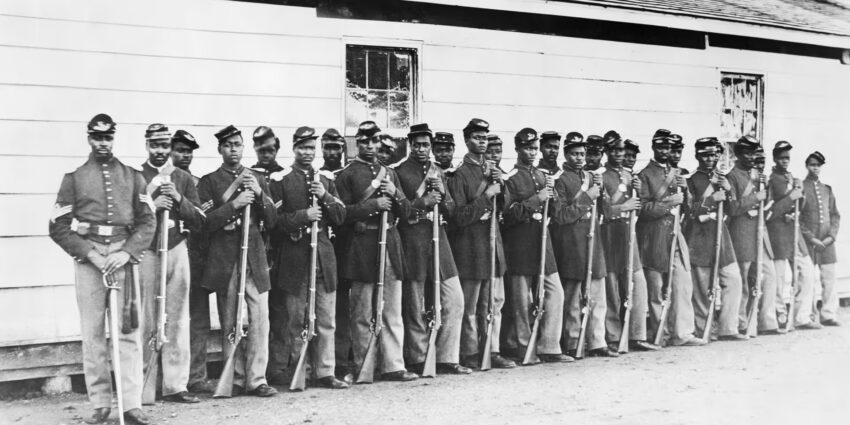
Juneteenth is not simply about an announcement. It is about the people who carried that reality into places where freedom had not yet been enforced. Among them were the United States Colored Troops—nearly 180,000 African American men who served in the Union Army during the Civil War. Their presence
was essential not only in securing victory, but in ensuring that emancipation became more than words on paper.
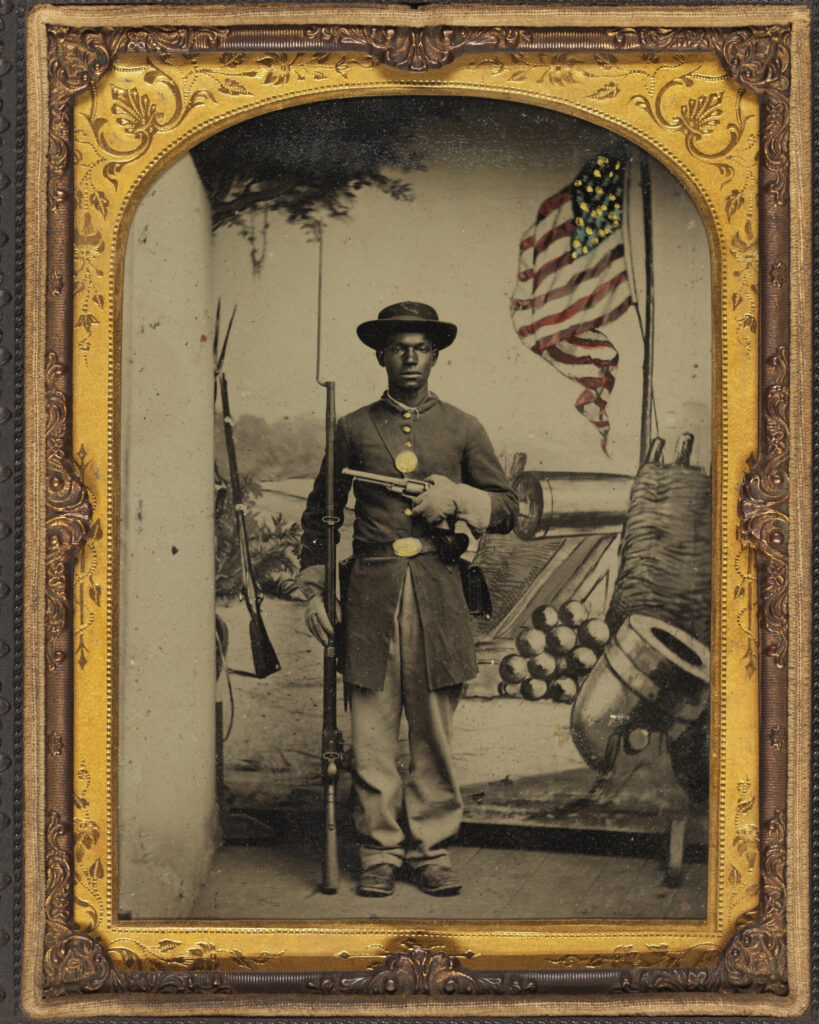
In my own family, that history is not abstract. My great-great-grandfather, Alfred Berriman—later spelled Berryman—served in Company G of the 45th United States Colored Troops. Historical records show that his regiment participated in the final campaign of the war and was present at the surrender of General Robert E. Lee at Appomattox in April 1865.
But the story did not end there.
After Appomattox, the 45th United States Colored Troops, like many other Black regiments, was sent to Texas. There, along the Mexican frontier, they were part of the occupying forces responsible for enforcing emancipation in regions where it had not yet taken hold in practice.
That detail matters.
Because when we think about Juneteenth, we often focus on the reading of General Orders No. 3 in Galveston. But that moment depended on the presence of federal troops—many of them Black soldiers—who ensured that freedom was recognized and protected.
Juneteenth, then, is not just about a date. It is about the lived reality of freedom being carried, enforced, and sometimes resisted. For me, that understanding deepened even further through a remarkable primary document. In a letter dated July 20, 1865, written from near Brownsville, Texas, a Black soldier named Simon Prisby wrote to Secretary of War Edwin Stanton describing conditions among troops in the months following the war. Today, that letter is preserved in the National Archives.
In that letter, Prisby referenced family ties to Washington County, Pennsylvania, and connections to Steubenville, Ohio—just miles from where I grew up. Ongoing family research suggests that he may also be part of my extended family network, linking his words even more closely to my own family’s history.
That connection brings history closer to home. It reminds us that the story of Juneteenth is not only rooted in Texas but also connected to communities throughout the Ohio Valley—families whose sons served, whose lives were shaped by war, and whose stories continue to unfold.
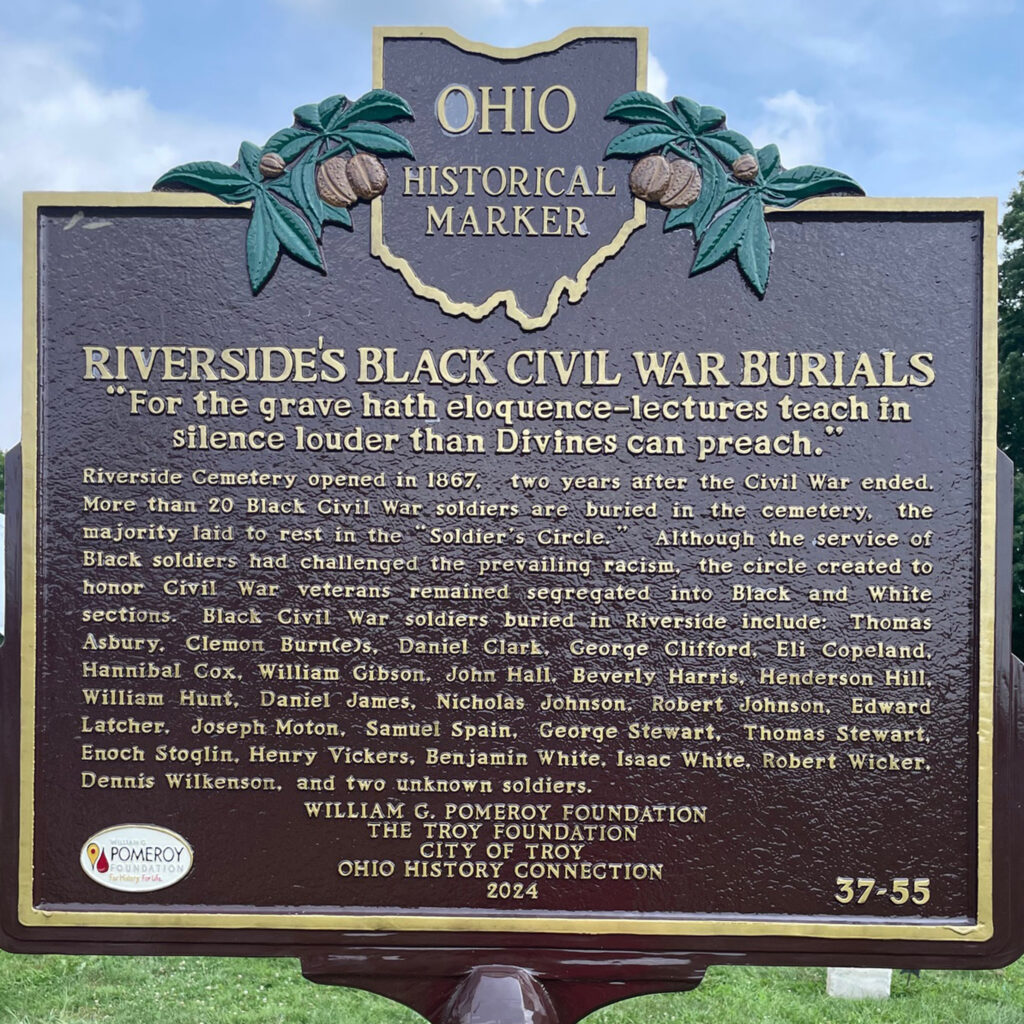
My own path has taken me from that region to Carol Stream, where I later served for more than eight years as a library trustee and worked as an educator. Yet the questions remain the same: How do we understand our past? And how do we recognize the people whose lives made that past possible?
Years ago, as a classroom teacher, I taught American history—including the Civil War—without realizing that my own family was part of that story. I did not yet know that I had direct ancestors and extended relatives who had served in that conflict. That discovery has reshaped how I see both history and identity.
Juneteenth invites us to celebrate freedom. But it also invites us to look more closely—to understand that freedom was not a single moment, but a process carried forward by individuals whose names are sometimes known, and often forgotten. For some, those names are written in history books.
For others, they are found in family records, letters, and memory.
And sometimes, as in my case, they are both. Juneteenth, Through the Eyes of Those Who Carried the News
Dr. Bonita Berryman Gilliam is a Carol Stream resident, educator, and researcher who holds a doctorate in clinical psychology. She previously served for more than eight years as a Carol Stream Public Library trustee. She is the author of the forthcoming book Elizabeth Proctor: Lineage, Law, and Legacy in Colonial Maryland,
which explores early African American family history and legal identity in the colonial period.